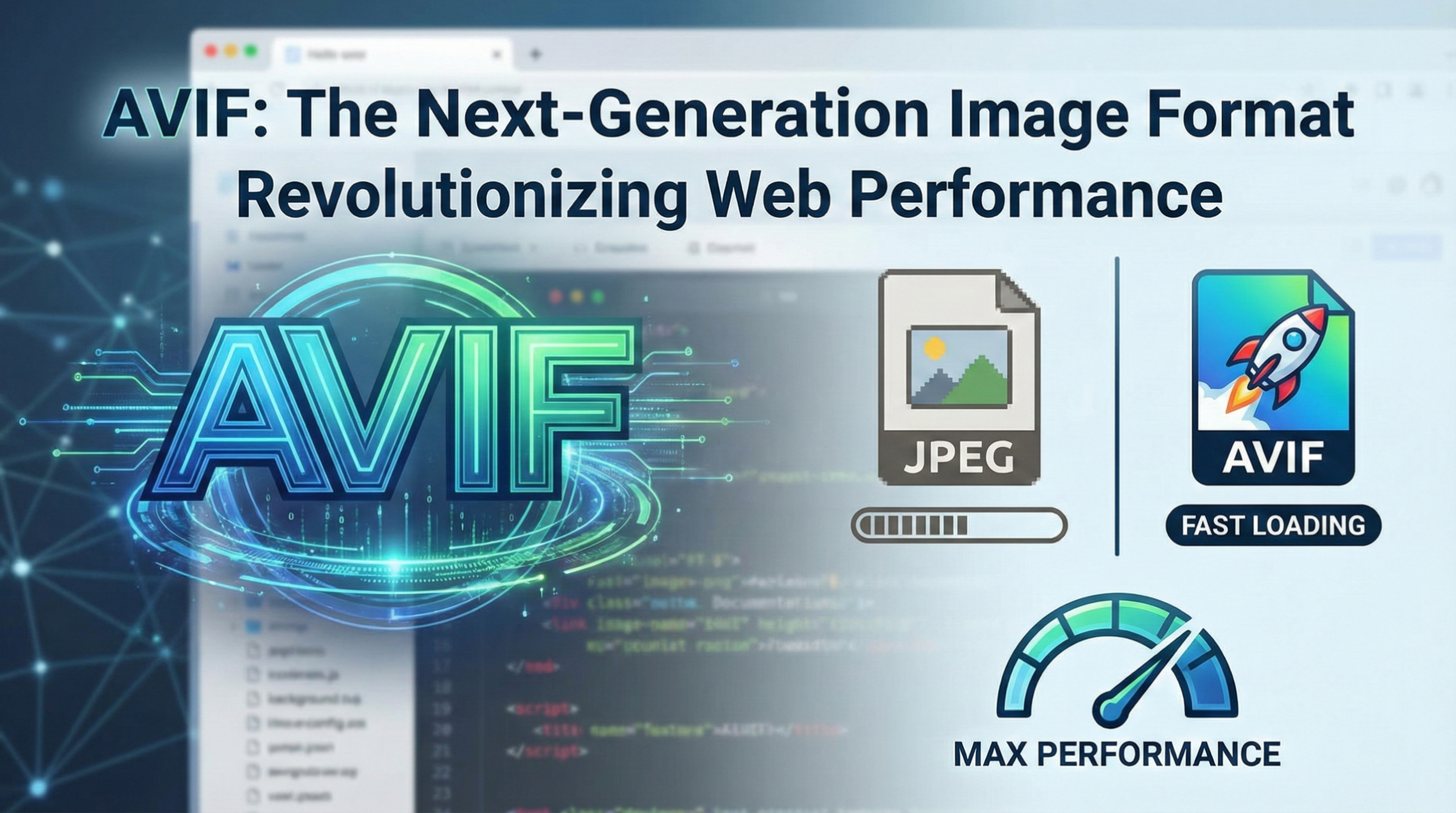
AVIF (AV1 Image File Format) is a revolutionary image format that delivers exceptional contraction effectiveness while maintaining superior image quality. Developed from the AV1 videotape codec, AVIF represents the coming elaboration in image technology for the ultramodern web.
The AVIF Advantage
AVIF offers compelling benefits that make it the future of web images:
Superior Compression
AVIF's contraction capabilities surpass all former formats:
- 50% lower than JPEG at original quality
- 20-30% lower than WebP in utmost scripts
- 40% lower than PNG for plates with translucency
- Dramatic bandwidth savings for high-business websites
Advanced Features
AVIF includes ultramodern capabilities:
- HDR support: High dynamic range imaging
- Wide color diapason: Billions of colors vs millions
- 12-bit color depth: Smoother slants, richer colors
- Nascence translucency: Like PNG but much lower
- Progressive picture: Images display gradationally while loading
- Lossless contraction: Optional perfect quality preservation
Cybersurfer Support in 2026
AVIF support has reached critical mass:
Full Support
- Chrome/Edge: Since interpretation 85 (2020)
- Firefox: Since interpretation 93 (2021)
- Opera: Full support since 2021
- Safari: Full support since iOS 16 and macOS Ventura
Current Coverage
As of 2026:
- 95% of global druggies can view AVIF images
- All major platforms support AVIF natively
- Mobile bias: Universal support on ultramodern phones
AVIF vs Other Formats
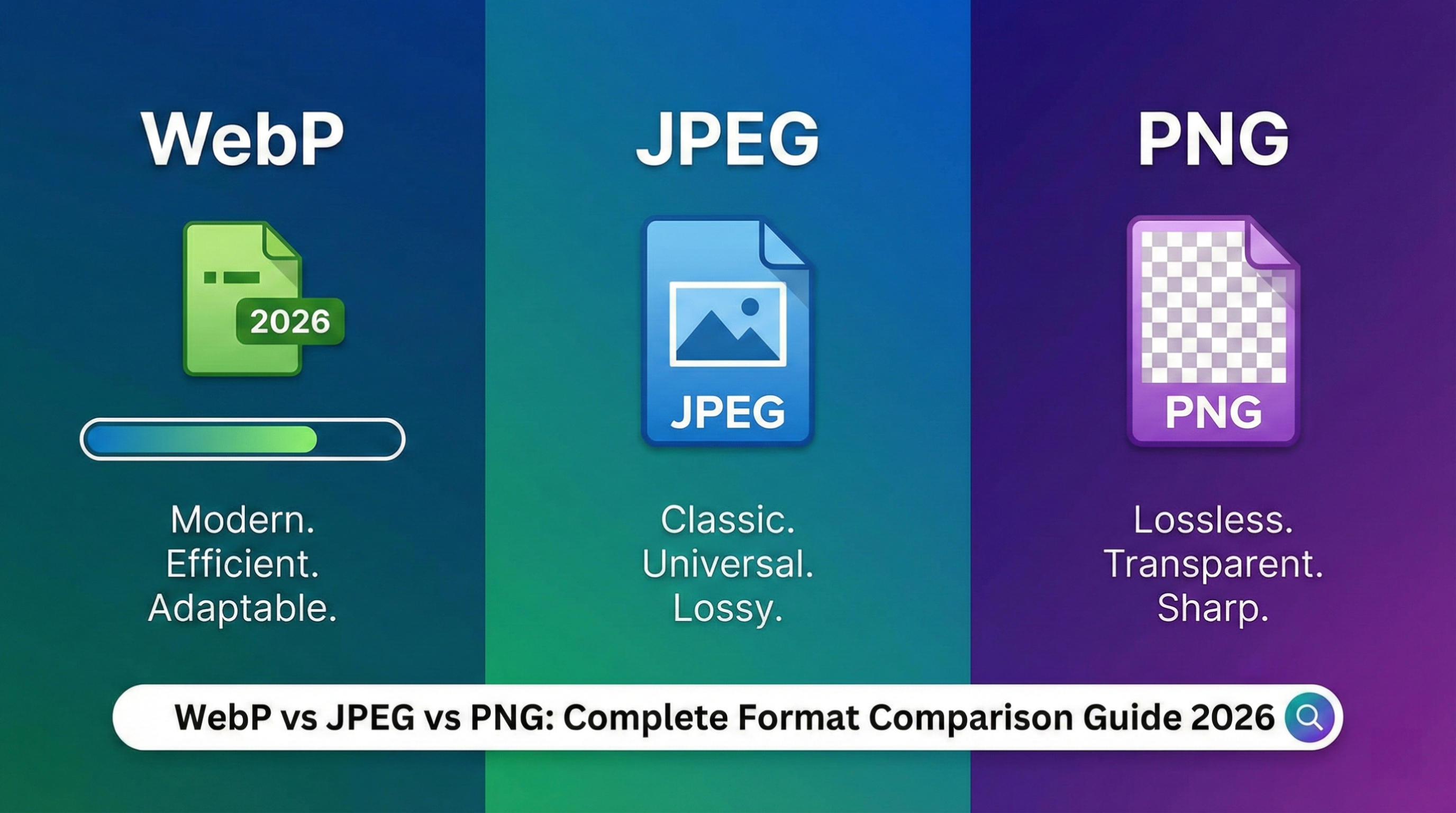
AVIF vs JPEG
For a typical snap:
- Quality: AVIF preserves further detail
- Train size: AVIF 50-60% lower
- Color depth: AVIF supports further colors
- Vestiges: AVIF has smaller contraction vestiges
Illustration: 1 MB JPEG = 500KB AVIF at same visual quality
AVIF vs WebP
Comparing coming-word formats:
- Train size: AVIF generally 20-30% lower
- Quality: AVIF more at low bitrates
- Encoding speed: WebP briskly to render
- Decoding speed: Analogous performance
- Features: AVIF has further advanced capabilities
AVIF vs PNG
For images with translucency:
- Translucency: Both support full nascence channel
- Train size: AVIF 40-50% lower
- Quality: PNG lossless, AVIF offers both lossy and lossless
- Use case: AVIF better for prints, PNG still good for simple plates
Performance Impact
Website Speed Advancements
Switching to AVIF delivers measurable benefits:
- Runner cargo time: 20-40% faster average
- Bandwidth operation: 40-60% reduction
- Core Web Vitals: Improved LCP (Largest Contentful Paint)
- Mobile performance: Especially significant on cellular connections
Real-World Illustration
E-commerce product runner with 20 images:
- JPEG total: 15 MB
- WebP total: 10 MB
- AVIF total: 7 MB
- Cargo time enhancement: 3-5 seconds on 4G
When to Use AVIF
Ideal Use Cases
- Idol images: Large banners and heads
- Product prints: E-commerce galleries
- Blog images: Content photography
- Backgrounds: Full-screen imagery
- High-quality trials: Thumbnails that look sharp
When to Consider Alternatives
AVIF might not be ideal for:
- Simple ensigns: SVG frequently more
- Icons: SVG for scalability
- Screenshots with textbook: PNG may be clearer
- Heritage support demanded: Fallback demanded
Enforcing AVIF
HTML Picture Element
Stylish practice perpetration with fallbacks:
<picture>
  <source srcset="image.avif" type="image/avif">
  <source srcset="image.webp" type="image/webp">
  <img src="image.jpg" alt="Description">
</picture>
Cybersurfers automatically choose the first format they support.
CSS Background Images
Using CSS with fallbacks:
.idol {
  background-image: url('hero.jpg');
  background-image: image-set(
    url('hero.avif') type('image/avif'),
    url('hero.webp') type('image/webp'),
    url('hero.jpg') type('image/jpeg')
  );
}
Garçon-Side Discovery
Serve AVIF automatically grounded on Accept title:
- Check request Accept title for "image/avif"
- Serve AVIF if supported, fallback if not
- Consider using CDN automatic format selection
Conversion Best Practices
Quality Settings
Recommended AVIF quality situations:
- 60-70: High contraction, respectable for thumbnails
- 75-80: Good balance for utmost web images
- 85-90: High quality for important imagery
- 95+: Near-lossless for critical quality needs
Encoding Speed vs Quality
AVIF encoding has speed/quality dicker:
- Fast garbling: Quick processing, slightly larger lines
- Standard garbling: Balanced speed and size
- Slow garbling: Stylish contraction, longer processing time
Recommendation: Use slow garbling for stationary means (done formerly), presto for stoner-generated content.
Source Image Quality
Starting with high-quality sources is pivotal:
- Begin with PNG or uncompressed images
- Avoid converting from JPEG (double contraction)
- Use loftiest resolution available
- Maintain aspect rate
Tools and Services
Image Processing
- Command-line tools: libavif, ImageMagick
- Online transformers: Cybersurfer-grounded tools
- Figure tools: webpack, Vite plugins
- CDN services: Automatic AVIF delivery
Content Delivery Networks
Ultramodern CDNs offer AVIF support:
- Automatic format conversion
- Device-optimized delivery
- Cybersurfer discovery and serving
- Edge caching for fast delivery
SEO and AVIF
Hunt machines handle AVIF well:
- Google: Completely indicators AVIF images
- Runner speed: Faster cargo times ameliorate rankings
- Core Web Vitals: AVIF helps pass CWV thresholds
- Mobile-first indexing: Lower images profit mobile scores
Migration Strategy
Gradual Rollout
- Test with idol images: Start where impact is largest
- Examiner criteria: Track cargo times and stoner experience
- Expand gradationally: Roll out to further runners
- Maintain fallbacks: Keep JPEG/WebP for comity
- Automate conversion: Figure into deployment channel
Testing Roster
- Visual quality comparison
- Train size reductions
- Cargo time advancements
- Fallback functionality
- Cross-browser testing
- Mobile device testing
Future of AVIF
AVIF continues to evolve:
- Faster garbling: Performance advancements in new encoders
- More tools: More sophisticated conversion software
- Wide relinquishment: Getting assiduity standard
- Tackle acceleration: Native GPU encoding/decoding
Conclusion
AVIF represents a significant vault forward in image technology. With superior contraction, excellent quality, and broad cybersurfer support in 2026, AVIF is ready for product use. While perpetration requires some fresh luxury for fallbacks, the performance benefits make AVIF essential for ultramodern, fast-lading websites. Start with your largest, most poignant images and gradationally expand AVIF operation across your entire point for optimal results.