Understanding Vector vs Raster plates
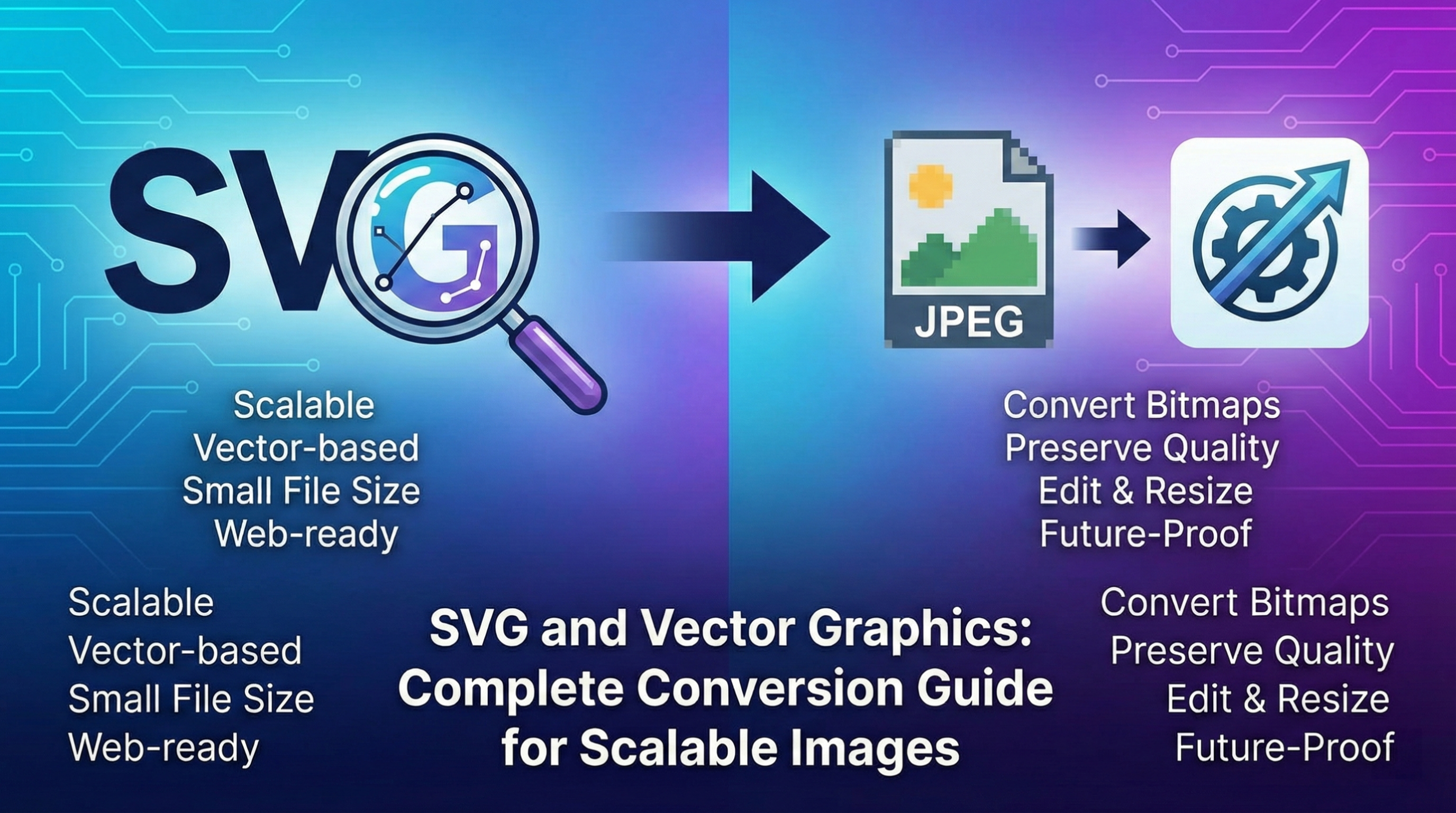
The abecedarian difference between vector and raster plates determines quality, train size, and applicable use cases for each format.
Vector Graphics
Vector images are defined by fine equations describing shapes, lines, and angles:
Characteristics
- Horizonless scalability: Scale to any size without quality loss
- Small train sizes: Especially for simple plates
- Editable: Modify shapes, colors, and paths fluently
- Resolution independent: Perfect at any DPI
- Crisp edges: Sharp lines and angles at all sizes
Common Vector Formats
- SVG: Scalable Vector Graphics (web standard)
- AI: Adobe Illustrator
- EPS: Reprised PostScript
- PDF: Can contain vector plates
Raster Graphics
Raster images are composed of pixels in a fixed grid:
Characteristics
- Fixed resolution: Quality tied to pixel count
- Larger train sizes: Especially for complex images
- Print-realistic: Excellent for photos
- Color depth: Millions of colors per pixel
- Scaling limitations: Pixelation when enlarged
Common Raster Formats
- JPG/JPEG: Compressed photos
- PNG: Lossless with translucency
- WebP: Ultramodern compressed format
- GIF: Simple robustness and plates
What's SVG?
SVG Fundamentals
SVG (Scalable Vector Graphics) is an XML-grounded vector format:
- Text-grounded: Human-readable XML law
- CSS stylable: Apply styles with CSS
- JavaScript controllable: Dynamic manipulation
- Searchable: Text and metadata searchable
- Accessible: Screen anthology compatible
- Animatable: SMIL or CSS robustness
SVG Structure
Introductory SVG deconstruction:
<svg width="100" height="100" xmlns="http://www.w3.org/2000/svg">
  <circle cx="50" cy="50" r="40" fill="blue" />
  <rect x="10" y="10" width="30" height="30" fill="red" />
  <path d="M10,90 L90,90 L50,10 Z" fill="green" />
</svg>
SVG Advantages
- Perfect for ensigns: Scale from favicon to billboard
- SEO friendly: Text and metadata searchable
- Interactive: Hover goods, clicks, robustness
- Small train size: Simple plates under 10KB
- Retina-ready: Crisp on high-DPI displays
- Printable: Horizonless resolution for print
When to Use SVG
Ideal Use Cases
- Ensigns and imprinting: Company ensigns, brand marks
- Icons: UI icons, navigation rudiments
- Illustrations: Flat design plates
- Infographics: Maps, plates, data visualization
- Patterns: Repeating backgrounds
- Typography: Custom textbook goods
- Robustness: Animated icons and illustrations
When to Avoid SVG
- Photos: Use JPG or WebP rather
- Complex images: Thousands of paths = huge train size
- Image goods: Pollutants more in raster
- Heritage cybersurfers: Veritably old IE performances
SVG to Raster Conversion
SVG to PNG
Convert vector to raster for comity:
Process
- Choose resolution: Determine affair size in pixels
- Render SVG: Draw vector to oil
- Import PNG: Save raster image
Resolution Guidelines
- Web thumbnails: 200-400px range
- Standard web: 800-1200px range
- Retina displays: 2× intended display size
- Publish (300 DPI): Physical size × 300
- Large format: 4000-6000px range
Quality Considerations
- Anti-aliasing: Smooth edges at lower sizes
- Background: Transparent PNG preserves translucency
- Color space: RGB for screen, CMYK for print
SVG to JPG
For prints or when translucency is not demanded:
Stylish Practices
- Background color: Set white or applicable color (no translucency)
- Quality setting: 85-90 for good balance
- Color slants: JPG handles slants well
- Train size: Lower than PNG for complex plates
Raster to SVG Conversion
Image Tracing
Converting raster images to vectors (dogging):
Process
- Edge discovery: Identify shapes and outlines
- Path creation: Generate vector paths
- Color slice: Excerpt color palette
- Simplification: Reduce gratuitous points
- Optimization: Clean up paths
Good Campaigners for Tracing
- Simple ensigns: Clean, solid colors
- Illustrations: Flat design artwork
- Icons: Basic shapes
- Line art: Black and white delineations
- Text images: Convert to editable textbook
Poor Campaigners
- Photos: Too complex, huge train sizes
- Slants: Delicate to trace directly
- Textures: More as raster
- Blurred images: Unclear edges
- Low resolution: Pixelated source = poor results
Tracing Settings
Color Modes
- Black and white: Simple two-tone affair
- Limited colors: 6-16 color palette
- Full color: Save original colors
Detail Situations
- Low detail: Smaller paths, simpler shapes, lower lines
- Medium detail: Balance delicacy and train size
- High detail: Maximum delicacy, larger lines
Optimization
- Corner discovery: Sharp vs smooth corners
- Noise reduction: Ignore small vestiges
- Path simplification: Reduce anchor points
SVG Optimization
Train Size Reduction
Optimize SVG lines for web performance:
Optimization Ways
- Remove metadata: Editor word, comments
- Simplify paths: Reduce gratuitous points
- Remove retired layers: Cancel unnoticeable rudiments
- Combine shapes: Combine lapping paths
- Minify law: Remove whitespace, dock values
- Use symbols: Define applicable rudiments
- Optimize transforms: Simplify metamorphoses
SVGO (SVG Optimizer)
Automated optimization tool:
- Removes gratuitous law
- Merges spare styles
- Converts colors to shortest form
- Rounds numeric values
- Generally 30-70 train size reduction
Web Performance
Inline vs External SVG
Inline SVG:
- Pros: No HTTP request, immediate picture, CSS styling
- Cons: Larger HTML train, no cybersurfer caching
- Use for: UI icons, single-use plates
External SVG:
- Pros: Cybersurfer hiding, applicable, lower HTML
- Cons: Extra HTTP request
- Use for: Ensigns, repeated rudiments
Compression
- GZIP: 60-80 size reduction for SVG
- Brotli: 5-10 better than GZIP
- Garçon configuration: Enable contraction for .svg files
SVG Browser Support
Modern Browser Support
SVG is widely supported in 2026:
- All ultramodern cybersurfers: Full support
- Mobile cybersurfers: Complete comity
- IE11: Basic support (limitations in robustness)
Perpetration Styles
1. Inline SVG
<svg width="100" height="100">
  <circle cx="50" cy="50" r="40" />
</svg>
2. IMG Tag
<img src="image.svg" alt="Description">3. CSS Background
.element {
  background-image: url('image.svg');
}
4. Object Label
<object data="image.svg" type="image/svg+xml"></object>Responsive SVG
Scaling Ways
ViewBox Attribute
Control SVG scaling geste:
<svg viewBox="0 0 100 100" xmlns="http://www.w3.org/2000/svg">
  <!-- omit width/height for fluid scaling -->
</svg>
PreserveAspectRatio
- xMidYMid meet: Scale to fit, maintain rate
- xMidYMid slice: Fill space, crop redundant
- none: Stretch to fill
Media Queries in SVG
Adapt SVG to different sizes:
<svg xmlns="http://www.w3.org/2000/svg">
  <style>
    @media (maximum-range: 400px) {
      .detail { display: none; }
    }
  </style>
  <!-- SVG content -->
</svg>
SVG Availability
Stylish Practices
- Title element: <title> for SVG name
- Description: <desc> for detailed description
- ARIA markers: aria-labelledby for complex plates
- Part trait: part="img" for ornamental/icons
- Focus pointers: For interactive SVGs
Example
<svg part="img" aria-labelledby="logo-title">
  <title id="logo-title">Company Logo</title>
  <desc>Blue circle with white textbook</desc>
  <!-- SVG content -->
</svg>
SVG Vitality
CSS Robustness
Amp SVG parcels with CSS:
<svg>
  <circle class="animated-circle" cx="50" cy="50" r="40" />
</svg>

<style>
  .animated-circle {
    vitality: palpitation 2s horizonless;
  }
  @keyframes palpitation {
    0%, 100% { r: 40; }
    50% { r: 45; }
  }
</style>
JavaScript Animation
Dynamic SVG manipulation:
- Modify attributes directly
- Use vitality libraries (GSAP, Anime.js)
- Interactive data visualizations
- Game plates
Publish Considerations
SVG for Publish
Advantages of vector plates in print:
- Any size: From business card to billboard
- Sharp edges: Perfect at any DPI
- Color delicacy: Precise color delineations
- Small lines: Easy to telegraph and store
Publish Preparation
- Convert to PDF: Universal print format
- Figure sources: Convert textbook to paths
- CMYK colors: Convert RGB to CMYK
- Bleed areas: Extend plates beyond neat
- Embed images: Include any raster rudiments
Common SVG Issues
Troubleshooting
Display Problems
- Missing viewBox: Add viewBox trait
- Incorrect confines: Check range/height
- Unnoticeable rudiments: Check filler/stroke colors
- Cutting: Acclimate viewBox values
Performance Issues
- Too numerous paths: Simplify or use raster
- Complex pollutants: Reduce sludge goods
- Large train size: Run through optimizer
- Slow picture: Reduce complexity
Tools and Coffers
SVG Editors
- Adobe Illustrator: Professional vector editor
- Inkscape: Free, open-source indispensable
- Figma: Browser-grounded design tool
- Sketch: Mac design operation
Optimization Tools
- SVGO: Command-line optimizer
- SVGOMG: Web-grounded SVGO interface
- ImageOptim: Mac optimization app
Conclusion
SVG and vector plates offer unmatched scalability and inflexibility for ensigns, icons, and illustrations. Understanding when to use vector versus raster formats, how to convert between them effectively, and how to optimize SVG lines ensures your plates look perfect at any size while maintaining optimal performance. Whether you are designing for web, mobile, or print, learning SVG transformations and enforcing stylish practices delivers crisp, professional results that gauge faultlessly through all surrounds and bias.