Why Social Media Image Optimization Matters
Each social media platform has unique image conditions, contraction algorithms, and display specifications. Advertisement inaptly sized or formatted images results in cropping, quality loss, and reduced engagement. This comprehensive companion covers exact specifications for all major platforms in 2026.
Universal Optimization Principles
Before diving into platform specifics, master these core generalities:
Resolution and Quality
- Always start with high resolution: Downsizing maintains quality, upscaling does n't
- Use 72-150 PPI: Advanced PPI wastes file size for screen display
- Avoid over-compression: Platforms will compress again
- Import at native size: Let platforms handle final resizing
Format Selection
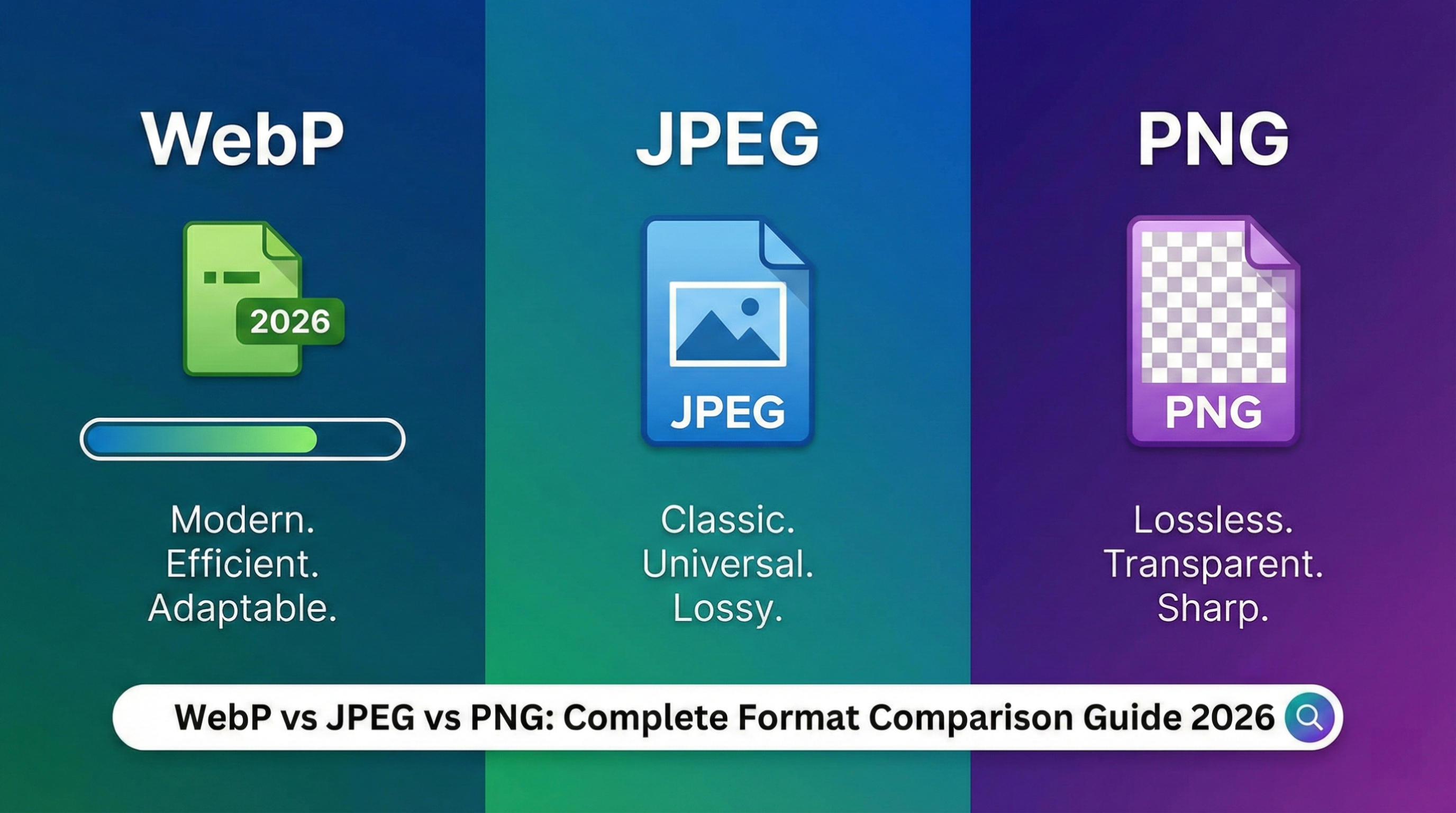
- JPG: Prints, complex images, slants
- PNG: Graphics, ensigns, textbook overlays, translucency demanded
- WebP: Ultramodern format when accepted, lower train sizes
- Avoid: BMP, TIFF (too large), GIF for prints (poor quality)
Train Size Limits
- Keep images under platform limits (generally 5-15 MB)
- Aim for under 2 MB for faster uploads and processing
- Compress before uploading to maintain control over quality
Instagram Optimization
Instagram's visual focus demands pixel-perfect optimization:
Feed Posts (Square)
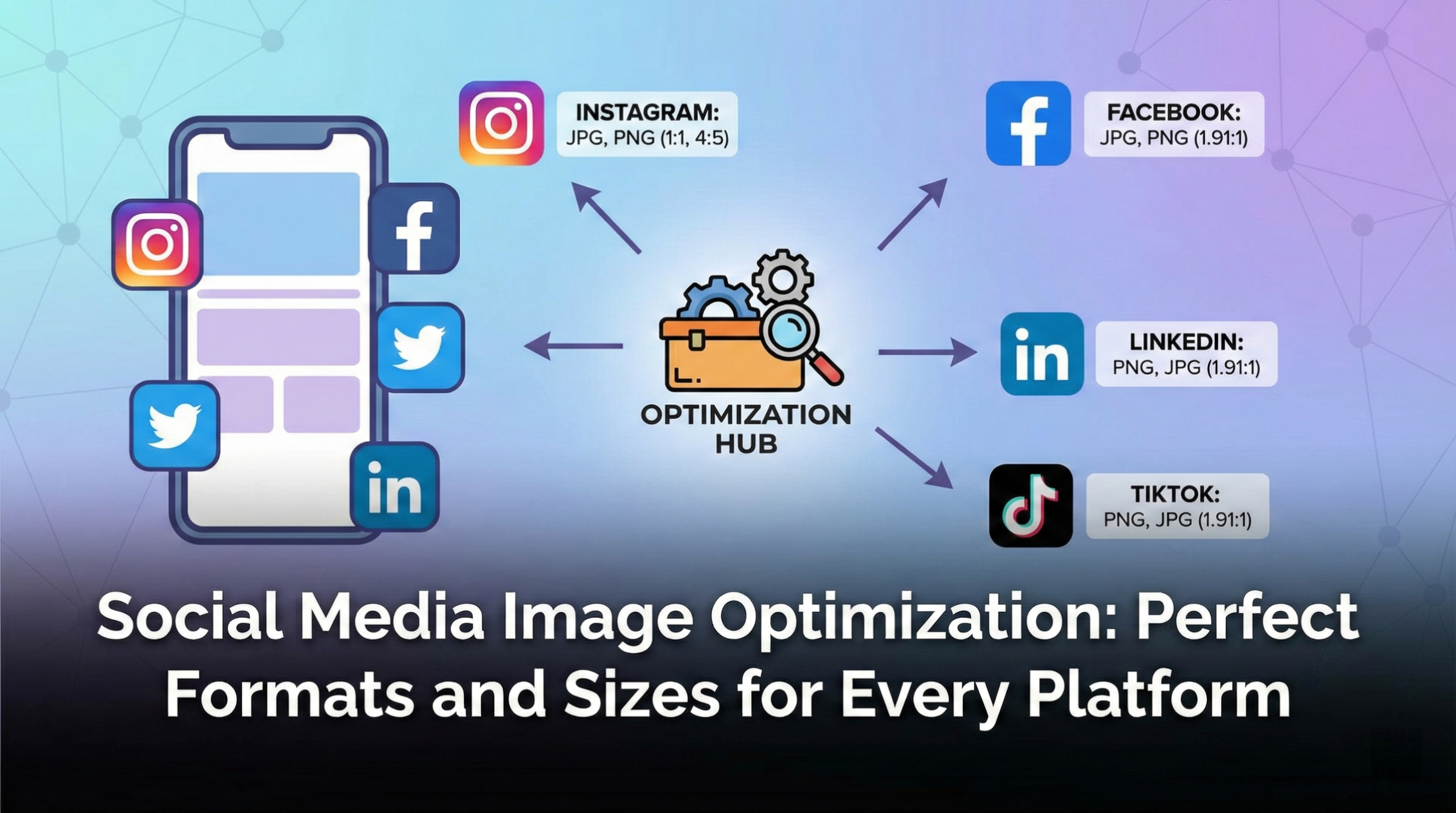
- Size: 1080×1080 px (1:1 rate)
- Format: JPG or PNG
- Train size: Under 8 MB
- Aspect rate: 1:1 (forecourt)
Feed Posts (Portrayal)
- Size: 1080×1350 px (4:5 rate)
- Format: JPG or PNG
- Maximum height: 1350 px (high images get cropped)
- Recommended: Use 4:5 for maximum screen real estate
Feed Posts (Landscape)
- Size: 1080×566 px (1.91:1 rate)
- Format: JPG or PNG
- Use case: Vertical prints, vistas
Instagram Stories
- Size: 1080×1920 px (9:16 rate)
- Format: JPG or PNG
- Safe zone: Keep important content 250px from top/bottom
- Train size: Under 4 MB
Instagram Reels Cover
- Size: 1080×1920 px (9:16 rate)
- Format: JPG
- Tip: Design for grid display (1080×1080 visible in feed)
Profile Picture
- Size: 320×320 px (minimum)
- Display size: 110×110 px
- Format: PNG for ensigns, JPG for prints
- Shape: Indirect crop applied
Instagram Shopping Posts
- Size: 1080×1080 px minimal
- Format: JPG (stylish comity)
- Quality: High quality needed for product visibility
Facebook Optimization
Personal Profile Posts
- Size: 1200×630 px recommended
- Minimal: 600×315 px
- Format: JPG or PNG
- Train size: Under 4 MB
Facebook Page Cover Photo
- Size: 820×312 px (desktop display)
- Mobile display: 640×360 px
- Format: JPG for prints, PNG for plates
- Safe zone: Keep textbook/ensigns down from profile picture area
Link Trials (Shared Links)
- Size: 1200×630 px
- Aspect rate: 1.91:1
- Format: JPG, PNG, or WebP
- Train size: Under 8 MB
- Minimal: 600×315 px (will look pixelated)
Facebook Stories
- Size: 1080×1920 px (9:16 rate)
- Format: JPG or PNG
- Train size: Under 4 MB
- Safe-deposit box zone: 250px perimeters top/bottom
Facebook Events Cover
- Size: 1920×1080 px (minimum)
- Format: JPG or PNG
- Aspect rate: 16:9
- Tip: Important word in center (edges may be cropped on mobile)
Twitter (X) Optimization
In-Stream Prints
- Size: 1600×900 px (16:9 recommended)
- Minimal: 600×335 px
- Maximum: 4096×4096 px
- Format: JPG, PNG, WebP
- Train size: Under 5 MB
Twitter Header Photo
- Size: 1500×500 px
- Format: JPG or PNG
- Train size: Under 5 MB
- Safe-deposit box zone: Important content centered (mobile displays less range)
Profile Picture
- Size: 400×400 px
- Display size: 200×200 px in timeline
- Format: PNG for stylish quality
- Shape: Indirect crop applied
Twitter Card Images
- Size: 1200×628 px (Summary Card with Large Image)
- Aspect rate: 1.91:1
- Format: JPG or PNG
- Train size: Under 5 MB
LinkedIn Optimization
Particular Posts
- Size: 1200×627 px recommended
- Aspect rate: 1.91:1
- Format: JPG, PNG
- Train size: Under 5 MB
LinkedIn Banner
- Size: 1584×396 px
- Format: JPG or PNG
- Train size: Under 8 MB
- Safe-deposit box zone: Keep crucial content centered (mobile crops sides)
Company Runner Cover
- Size: 1128×191 px
- Format: JPG or PNG
- Tip: Horizontal layouts work stylish
Shared Link Images
- Size: 1200×627 px
- Aspect rate: 1.91:1
- Format: JPG or PNG
TikTok Optimization
Videotape Covers
- Size: 1080×1920 px (9:16 rate)
- Format: JPG or PNG
- Safe zone: 300px perimeters for UI rudiments
Profile Picture
- Size: 200×200 px minimal
- Format: JPG or PNG
- Shape: Indirect crop
Pinterest Optimization
Standard Legs
- Size: 1000×1500 px (2:3 rate)
- Aspect rate: Vertical 2:3 performs stylish
- Format: PNG for plates, JPG for prints
- Train size: Under 20 MB
Forecourt Legs
- Size: 1000×1000 px
- Use case: Infographics, quotes
Long Legs
- Maximum: 1000×2100 px
- Warning: Longer legs get cut off in feed
YouTube Optimization
Thumbnails
- Size: 1280×720 px
- Aspect rate: 16:9
- Format: JPG, PNG
- Train size: Under 2 MB
- Resolution: 1280×720 minimum (HD quality)
Channel Banner
- Size: 2560×1440 px
- Safe-deposit box zone: 1546×423 px (visible on all bias)
- Format: JPG or PNG
- Train size: Under 6 MB
Cropping and Safe-Deposit Box Zones
Different bias display different portions:
- Mobile: Frequently crops sides and edges
- Desktop: Shows further vertical space
- Tablet: Middle ground between mobile and desktop
Stylish practice: Keep critical content (textbook, faces, ensigns) in central safe zone.
Text in Images
Facebook's Text Rule
While Facebook removed the 20% textbook limit in advertisements, lower textbook still performs better:
- Images with minimum textbook get further reach
- Focus on visual liar
- Put lengthy textbook in post caption, not image
Readability Best Practices
- Minimal fountain size: 30px for mobile visibility
- High discrepancy between textbook and background
- Sans-serif sources for better screen readability
- Test on mobile bias before posting
Color Considerations
RGB vs CMYK
- Always use RGB for social media (screen display)
- CMYK is for print only
- RGB offers broader color range for defenses
Color Biographies
- Use sRGB color space
- Most extensively supported across platforms
- Ensures harmonious color display
Batch Optimization Workflow
- Produce master image: Highest resolution demanded
- Size variations: Export platform-specific confines
- Format selection: JPG for prints, PNG for plates
- Compression: Optimize train sizes
- Organization: Folder structure by platform
- Testing: Preview on factual bias
Quality vs Train Size
Chancing the optimal balance:
- 80-85% JPG quality: Sweet spot for utmost images
- Under 1 MB ideal: Fast uploads, quick processing
- High quality for covers: Invest in banner/title images
- Standard quality for posts: Platforms compress anyway
Common Miscalculations to Avoid
- Wrong aspect rates: Results in awkward cropping
- Low resolution: Pixelated appearance
- Too important textbook: Reduced reach, poor mobile experience
- Ignoring safe zones: Critical content gets cropped
- Over-compression: Visible vestiges and quality loss
- Wrong color space: Bathed out colors
- Massive train sizes: Slow uploads, processing detainments
Mobile-First Design
Most social media consumption happens on mobile:
- Design and test on mobile defenses first
- Vertical formats frequently perform better
- Larger textbook and simple layouts work stylish
- Consider thumb-friendly clickable areas
Testing Roster
Before publishing:
- Preview on desktop cybersurfer
- Check on factual mobile device
- Corroborate confines match platform conditions
- Confirm textbook readability at factual display size
- Test on both iOS and Android if possible
- Check how it appears in feed vs full view
Conclusion
Social media image optimization requires attention to platform-specific conditions and stylish practices. By following these guidelines, you will insure your images display impeccably through all bias and platforms, maximizing visual impact and engagement. Flash back to save templates for constantly used sizes, maintain a harmonious quality standard, and always test on factual bias before publishing. Proper optimization is not just about specialized specifications it's about icing your visual content looks professional and engaging wherever it's viewed.